
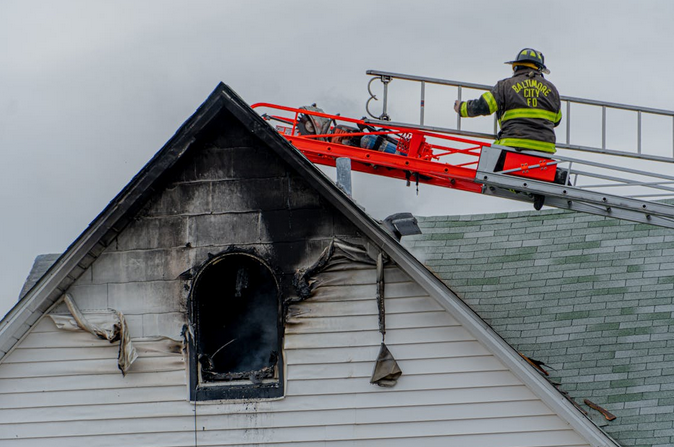
Selling a fire-damaged property requires more than merely listing the home for sale; it involves a careful awareness of legal obligations that protect both the seller and potential buyers. Homeowners must consider how disclosure, insurance, liability, and contractual obligations intersect to prevent future disputes or penalties. Understanding key legal issues to know when selling a fire-damaged property is essential for navigating this sensitive process confidently. Failing to follow relevant statutes can result in lawsuits, financial loss, or difficulties in transferring ownership. By approaching the sale with informed decision-making, clear communication, and adherence to legal standards, sellers can achieve smoother transactions while maintaining credibility and avoiding unnecessary complications.
Mandatory Disclosure Requirements
One of the most critical legal considerations involves disclosure. Most jurisdictions require homeowners to inform potential buyers about significant damage, including fire-related structural issues, smoke damage, or compromised safety systems. Omitting this information can be interpreted as misrepresentation or fraud, exposing the seller to legal action after the sale. Disclosure statements often require details about the extent of fire damage, repairs made, and any ongoing risks. Accurate and transparent reporting protects the seller from future liability while providing the buyer with essential information to make an informed decision. Even minor damage or cosmetic concerns should be listed to maintain transparency and avoid disputes.
Insurance and Financial Obligations
Insurance policies often play a central role in selling a fire-damaged home. Sellers must review claims related to fire damage and determine how funds were allocated for repairs or restoration. Some lenders or insurance companies may have stipulations regarding the resale of a property that has previously sustained fire damage. Failure to meet these requirements could void claims or complicate transactions. Additionally, buyers may request proof of insurance coverage or documentation confirming completed repairs. Maintaining organized records and understanding the legal obligations tied to insurance helps prevent misunderstandings and ensures that both parties are aware of financial responsibilities connected to the damaged property.

Liability and Safety Concerns
Liability considerations are paramount when selling a fire-damaged home. Sellers must address safety hazards, such as weakened structural elements, electrical faults, or lingering smoke contamination. Selling a property without correcting or clearly disclosing such risks can result in personal injury claims or property damage lawsuits. Legal accountability extends beyond the closing date, particularly if undisclosed hazards cause harm. Conducting safety inspections, obtaining professional assessments, and communicating findings to prospective buyers mitigates risk. Proper documentation of repairs or safety measures demonstrates due diligence, providing legal protection for the seller and reinforcing buyer confidence in the transaction.
Contractual and Sale Agreement Considerations
Finally, the sale of a fire-damaged property requires careful attention to contracts and agreements. Purchase agreements must explicitly reference the property’s condition, any repairs completed, and limitations of warranties or guarantees. Clauses addressing buyer acceptance of existing conditions or acknowledging potential risks are common in these transactions. Legal counsel can help in drafting contracts that comply with local laws while clearly outlining responsibilities for both parties. Failure to include adequate contractual provisions may result in disputes over repair costs, liability, or post-sale obligations. Ensuring the contract reflects all known information about the fire damage minimizes legal exposure and provides a clear framework for the transaction.
Selling a fire-damaged property involves multiple legal considerations that protect both the seller and the buyer. Mandatory disclosure requirements, careful attention to insurance and financial obligations, addressing liability and safety concerns, and drafting thorough contractual agreements are essential steps. Homeowners who approach the sale with transparency, documentation, and adherence to legal standards reduce the risk of disputes, enhance buyer confidence, and facilitate a smoother transaction. Being proactive and informed allows sellers to navigate the process responsibly while avoiding potential complications that can arise from neglecting critical legal requirements.…